
We will learn about the types, importance, characteristics, and issues involved in capital investments. They enable the production and manufacturing of the business’ main offerings and facilitate the overall functioning of the business. If a company borrowed money for capital expenditures, that would be listed as an inflow of cash in the financing activities section and an outflow of cash in the investing activities section. Technology and computer equipment, including servers, laptops, desktop computers, and peripherals, are considered capital expenditures if they have a useful life of greater than one year. Inexpensive computer-related supplies (such as a mouse pad or cables) may simply be written off as an operating expense, regardless of how long they might theoretically last.
Capex meaning
- Market fluctuations, changing economic circumstances, and unforeseen expenses can all make forecasting tricky.
- This enables informed decision-making and ongoing evaluation of the effectiveness of capital expenditure initiatives.
- Payments to acquire, maintain or upgrade assets like land, buildings and equipment, which are presented on a balance sheet.
- CapEx (Capital Expenditure) is the money used by a company to purchase, maintain, or improve its fixed assets.
Remember that the best approach is always customized to your specific business needs. Regular evaluation of your CapEx decisions against business outcomes will help refine your strategy over time. Effective CapEx management means balancing retained earnings maintenance needs with growth opportunities. The process we outlined—assessing current assets, aligning with business goals, and setting realistic budgets—provides a practical framework for implementation.
Improve productivity and efficiency
- Master the fundamentals of financial accounting with our Accounting for Financial Analysts Course.
- See how cost classification impacts your financial statements, tax strategy, and overall business valuation.
- The assets in discussion here could be machinery, facilities, technology, or infrastructure such as buildings, offices, or plants.
- You can ensure that your CapEx investments are sound and aligned with financial goals.
- This approach establishes clear decision points where investments must meet specific criteria before proceeding to the next phase of evaluation.
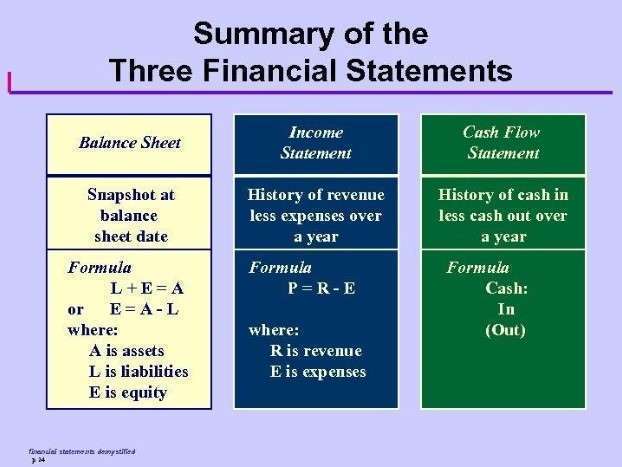
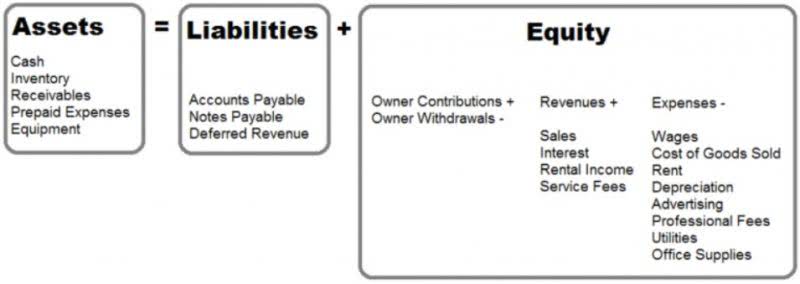
These are long-term assets and require a high level of commitment and investment. For example, if a company buys a set of computer systems for its employees, the cost of the computers will be recorded under the balance sheet. For the years that follow the purchase of computers, the income statement will report a depreciation expense of 10,000 rupees. Capital expenses appear on the balance sheet and not the income statement of a business.

Capitalized Expenditure or Capitalized Expense

Update proposal templates and evaluation criteria to address these recurring issues. Establishing clear evaluation criteria ensures consistent assessment of all CapEx proposals. Start by defining financial metrics such as payback period, Internal Rate of Return (IRR), Net Present Value (NPV), and Return on Invested Capital (ROIC). Set minimum thresholds for each metric based on your https://www.bookstime.com/ company’s cost of capital and risk tolerance.
Accounting for Capital Expenditures
It is extremely important for businesses to do due diligence and need analysis before buying a major fixed asset. This is because fixed assets are not only high-value expenses but also because they are difficult to reverse. Capital investments are high-value investments and account for a very large part of the business’s total initial spend.
- Top-performing companies review their project portfolios frequently, continuously reassessing priorities based on changing market conditions.
- This systematic approach prevents the common problem of resource fragmentation, where budgets are divided among too many projects, resulting in none receiving adequate funding to succeed fully.
- This data helps identify which assets need immediate attention versus those that can continue functioning with regular maintenance.
- As sustainability, digital transformation, and remote work infrastructure become increasingly important, your CapEx strategy must evolve accordingly.
Capital what is capital expenditure in accounting expenditure (CapEx) of a business is the total capital spent on buying, maintaining, and upgrading fixed assets. This includes both tangible and intangible assets like machinery, equipment, manufacturing plant, land, buildings, transportation, technology, patents, and licenses. It’s important to note that while CAPEX itself does not appear directly on the income statement, its impact is reflected over time through depreciation expenses.

B. Tax Implications
Monitoring existing assets – Regularly assessing the performance and condition of existing assets ensures that CAPEX investments are both completely strategic and necessary. For example, maintaining a fleet of vehicles might require balancing the costs of repairs versus purchasing new ones. Capital expenditure plays a very important role in ensuring a company’s long-term growth and sustainability.